BIM Engineering
Our BIM Engineering solution seamlessly integrates processes that transform the planning, design, and execution of projects through advanced technologies such as BIM modelling, 3D scanning, mapping, and digital twins. This forward-thinking approach enables accurate lifecycle management of buildings and facilities, reducing risks and maximising resource efficiency. It also leverages state-of-the-art tools, including drone and topographical inspections, to capture detailed and reliable real-time data. We ensure cohesive collaboration across all disciplines, enhancing the quality, sustainability, and functionality of each project—from initial conceptualisation through to operational maintenance.

Precise planning, intelligent design, and comprehensive coordination — harnessing BIM expertise to create distinctive spaces
The ability to integrate and coordinate all stakeholders within a single model enables multidisciplinary teams to collaborate more effectively, fostering a shared vision and reducing the likelihood of errors. This approach not only maximises time and resource efficiency but also enhances early issue detection before they impact the project physically. By unifying design, planning, and execution into a streamlined workflow, the BIM methodology allows for agile adaptation to changes and ensures project delivery with superior quality, even within tight deadlines and budgets.
Our added value:
- Optimisation of Project Planning and Implementation: RDT’s BIM Engineering solution enables precise control over every stage of a project, from initial conception to final delivery. By integrating detailed 3D models, potential clashes can be identified in advance, resulting in tighter planning, improved task synchronisation, and significantly reduced execution times.
- Enhanced Coordination Across Multidisciplinary Teams: The BIM methodology fosters collaboration in highly integrated environments, where architects, engineers, and contractors share access to a unified data environment. This improves cross-disciplinary integration and facilitates smoother project management, saving time and reducing the risks associated with coordinating multiple stakeholders.
- Early Problem Detection and Risk Mitigation: design flaws or incompatibilities between elements are identified early, well before reaching the construction phase. This allows teams to resolve issues before they escalate. Our BIM Engineering solution also incorporates real-time data capture during construction, enabling continuous quality monitoring and ensuring compliance with technical standards.
- Reliable Resource and Cost Estimation: The digitalisation of infrastructure and advanced planning tools ensure accurate material quantification, preventing waste and avoiding unplanned purchases. Improved time forecasting also helps reduce the risk of budget and schedule overruns.
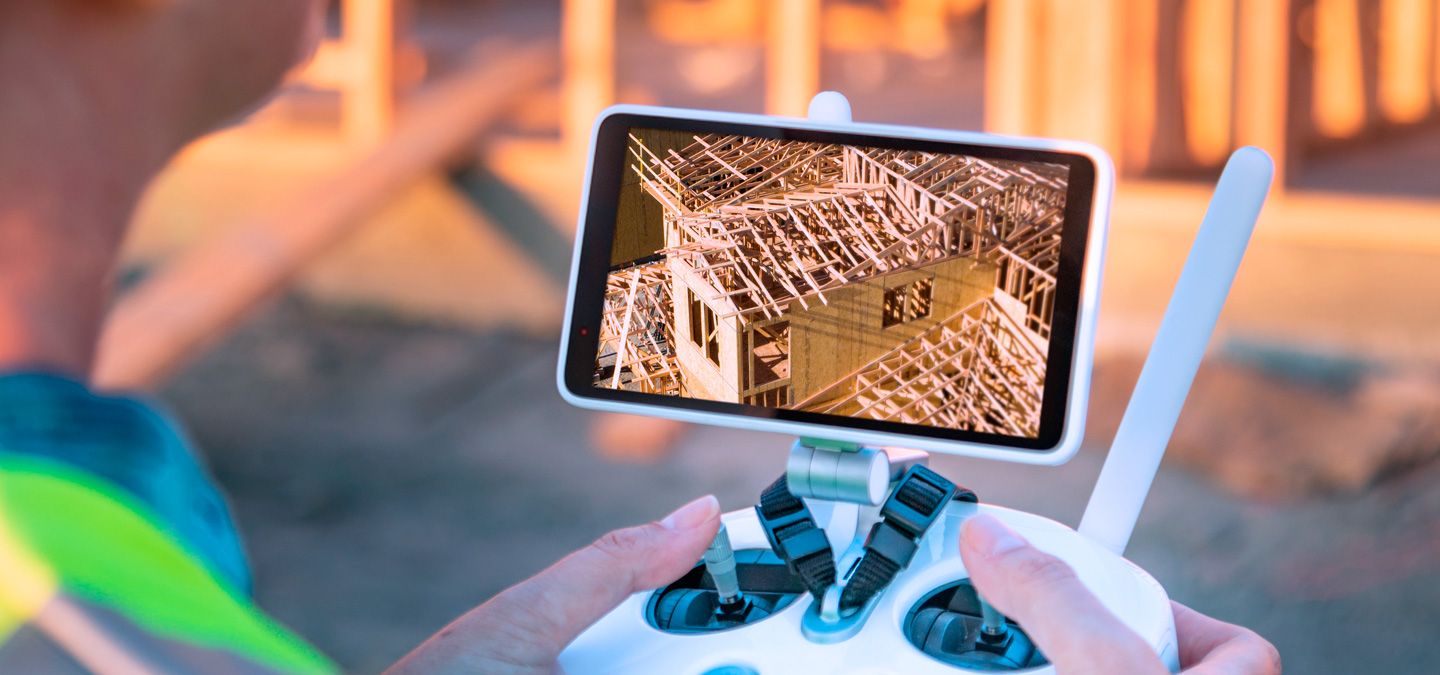
- Reduced Occupational Risks Through Aerial Inspections: using drones for infrastructure inspections or monitoring work at height eliminates the need for personnel to access hazardous or hard-to-reach areas. This not only enhances safety but also enables more frequent and detailed visual audits, facilitating the early detection of structural or safety issues.
- Optimised Infrastructure Lifecycle Management: digital twins provide detailed 3D representations of buildings and facilities, offering a powerful tool for managing and maintaining infrastructure throughout its lifecycle.
- Adaptability and Flexibility in Implementation: in industrial projects, last-minute design changes or evolving client requirements are common. BIM facilitates rapid and efficient adaptation to these changes. As all disciplines are integrated into a single model, any modification is automatically reflected across the entire project, allowing for agile workflow adjustments.
Contact
Our team of specialists in engineering, technology, digital transformation, and R&D&I supports you at every stage, delivering comprehensive solutions tailored to your needs. Regardless of the scale of the challenge, at RDT we are committed to finding the best solution.
Let's talk about your projectCentres of Excelence
At the Centre of Excellence in Architecture, Engineering and Construction (AEC), a multidisciplinary team comprising engineers, architects, lighting designers and BIM experts with extensive experience in various fields leads high-level projects in engineering coordination, design and lighting, integrating advanced technologies with impeccable project management. Specialisation in BIM (Building Information Modelling) engineering and coordination enables us to manage project life cycles with precision and efficiency, reducing risks and enhancing quality. Furthermore, we spearhead the use of drones in industrial inspections, allowing us to perform high-precision visual audits in complex and difficult-to-access environments, ensuring safety and reliability at all times. Through our focus on design and lighting projects, we deliver innovative, tailored solutions that enhance the functionality and sustainability of spaces.

At the Centre of Excellence in Architecture, Engineering and Construction (AEC), a multidisciplinary team comprising engineers, architects, lighting designers and BIM experts with extensive experience in various fields leads high-level projects in engineering coordination, design and lighting, integrating advanced technologies with impeccable project management. Specialisation in BIM (Building Information Modelling) engineering and coordination enables us to manage project life cycles with precision and efficiency, reducing risks and enhancing quality. Furthermore, we spearhead the use of drones in industrial inspections, allowing us to perform high-precision visual audits in complex and difficult-to-access environments, ensuring safety and reliability at all times. Through our focus on design and lighting projects, we deliver innovative, tailored solutions that enhance the functionality and sustainability of spaces.